Bridging Biology, Technology, and Society

Imagine plants that can report on their surroundings and respond in real time to signals from farmers. At CROPPS, we’re making this a reality with programmable plant systems. By harnessing the natural language of plants, we are transforming how crops manage water and nitrogen, empowering farmers to optimize these critical resources for a more sustainable and resilient future.

Our core research areas guide our mission, shaping the tools, insights, and collaborations needed to address the complex challenges of modern agriculture.

Research Themes

Link to Plant Communications page

Plant
Communications

We uncover how plants send and receive signals, from the molecular level to ecosystems. By studying these processes, we create biological and technological prototypes that improve our understanding of plant systems and their role in agriculture.

Go to reporter plants detail

Reporter
Plants

We support the development of plant systems that reveal potential threats like nutrient deficiencies before an entire field of crops is affected.

Go to Responser Plant detail

Responder
Plants

We develop cutting-edge tools and technologies to enhance plant communication and function. By advancing biotechnology, materials engineering, and automation, this theme drives innovation and provides the foundation for new ways to interact with plants.

Go to Agricultural Systems detail

Agricultural
Systems

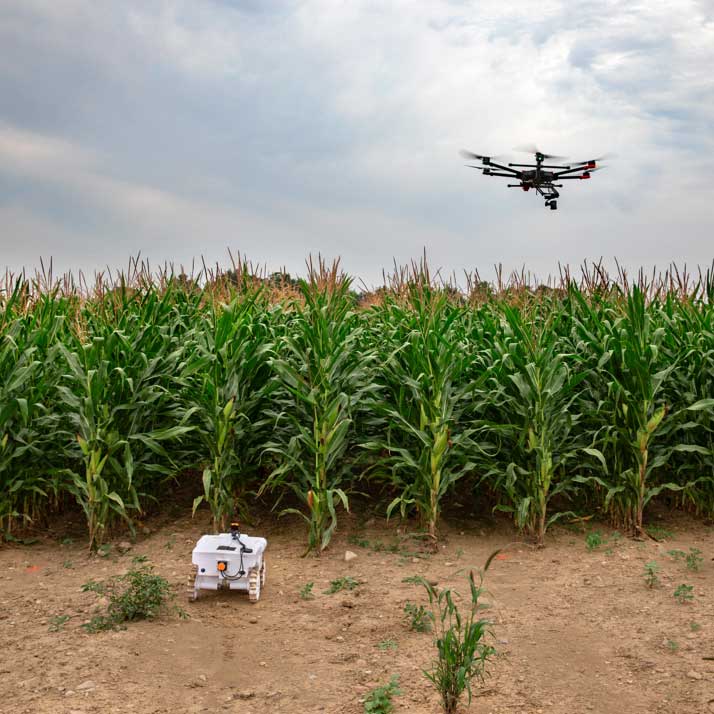
We create integrated hardware, software, and computational models to explore the deep biology of plants in the field.

Go to Social and Ethical detail

Social and Ethical Engagement

We examine the societal and ethical dimensions of plant science, engaging stakeholders and communities to ensure our research reflects diverse needs and values. This theme bridges science and society, shaping priorities and guiding innovation in meaningful ways.

Research Experience for
Undergrads (REU) at CROPPS

Interdisciplinary teams with combined expertise in plant science and technology development (synthetic biology, nanotechnology, optics, robotics, and advanced computing) will host and mentor CROPPS REU participants. Working with the team, undergraduate participants will learn about and take part in our research, and contribute to the development of technologies that will enable seamless bidirectional communication between plants and people.

Learn more